
You're heading to the mailbox at dusk when you spot it: a spider the size of your palm, ambling across the driveway like it owns the place. Your stomach drops. Before you panic, take a breath, because that big hairy visitor is almost certainly a tarantula, and it's one of the gentlest creatures in the whole Sonoran Desert. Every fall, Phoenix-area tarantulas go on the move, and there's a surprisingly sweet reason why.
At Urban Desert Pest Control, we get a flurry of nervous tarantula calls every October, so let's clear up what's really going on and whether you need to do anything at all.
Key Takeaways
- Arizona blonde tarantulas are large, slow, and native to the Sonoran Desert, and they're a familiar fall sight across the Valley.
- The tarantulas you see wandering in fall are males looking for a mate, not an invasion of your yard.
- Tarantulas are docile, and their venom is mild, so they pose very little danger to people or pets.
- There's no need to kill them, since they're harmless and they help by eating other desert pests.
Arizona's Most Misunderstood Spider
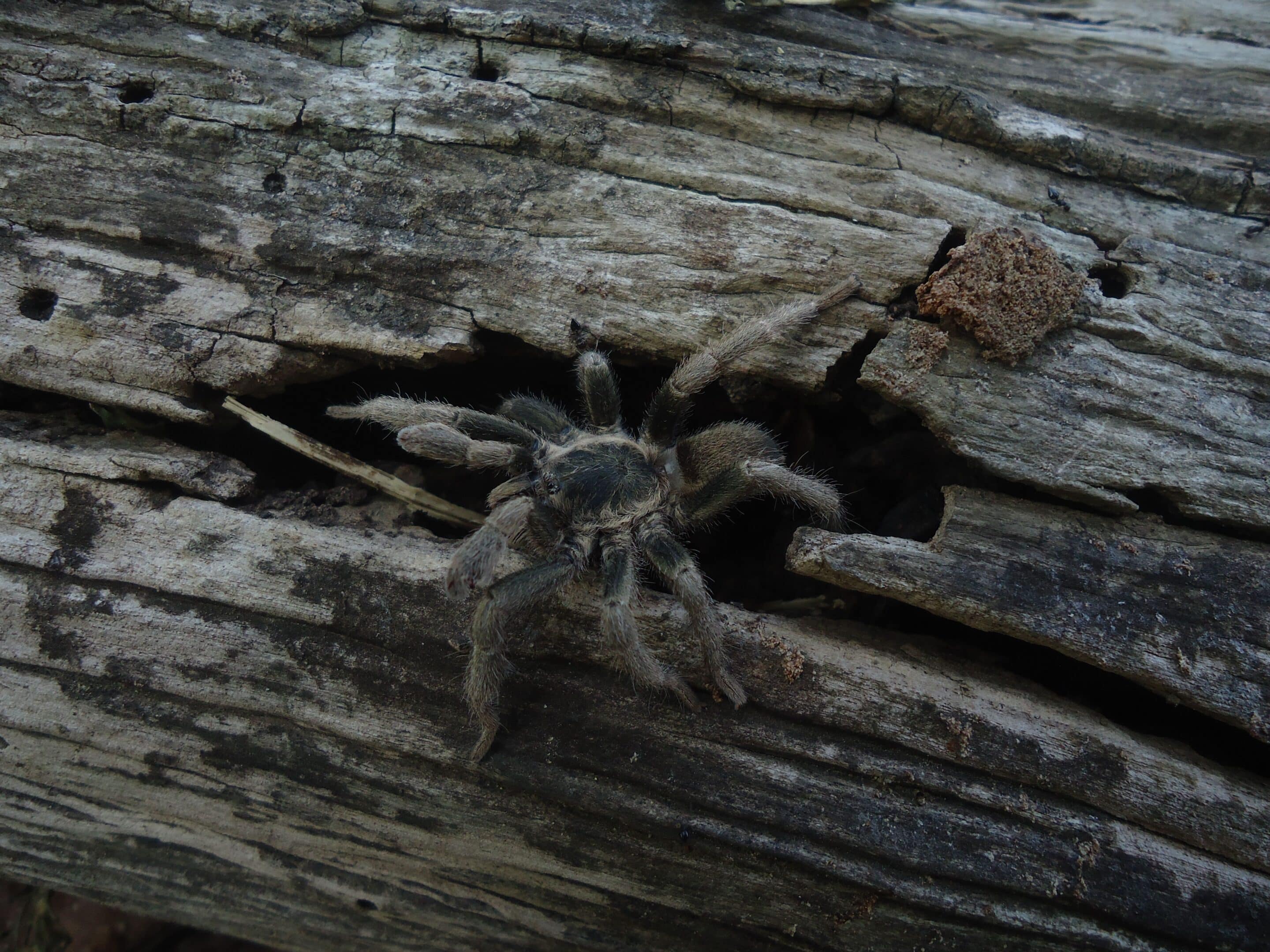
The one you're most likely to meet is the Arizona blonde tarantula, a desert native with a tan body, dark legs, and a leg span that can reach the width of your hand. They spend most of their lives underground in burrows, heading out at night to hunt crickets, beetles, and roaches.
Here's a fact that reframes the whole thing. According to the University of Arizona Cooperative Extension, a female tarantula can live 20 years or more. That big spider by your porch may have lived in your neighborhood longer than you have.
Why They're Suddenly Everywhere
For most of the year, tarantulas keep to themselves, and you would never know they were there. Fall changes that.
When the weather cools, mature male tarantulas leave the burrows they've lived in for years and set off to find a mate. That's the entire reason you see them crossing roads, sidewalks, and patios at dusk in September and October. The females stay home, so nearly every wanderer you spot is a lovestruck male on a one-way trip. Once he finds a mate, his job is done, which is a poignant end to a very determined journey.
Okay, But Are They Dangerous?
This is the part worth hearing twice: not really. Arizona tarantulas are docile and would much rather flee than fight. Their venom is mild, roughly on par with a bee sting, and it's built for subduing insects, not people. There has never been a recorded human death from a tarantula bite in Arizona.
The one thing to respect is their defense system. When they feel cornered, tarantulas can flick tiny barbed hairs from their abdomen, and those can irritate your skin or eyes. That's the real reason not to handle one, even a calm one. Look all you want, but let it keep its personal space.
The Wasp That Gives Tarantulas Nightmares
If you want to feel a little sympathy for the tarantula, consider its worst enemy. The tarantula hawk is a large, metallic-blue wasp with a sting ranked among the most painful of any insect. It hunts tarantulas, paralyzes them, and lays a single egg on the still-living spider so its larva has a fresh meal waiting. Nature in the Sonoran Desert does not mess around. Next to that, sharing your driveway with a tarantula for one evening starts to feel downright pleasant.
What To Do If One Shows Up
For a tarantula out in the yard, the best move is usually no move at all. It's just passing through, and it's quietly thinning out your local cricket and beetle population while it's here.
If one wanders indoors, you don't need to hurt it. The University of Arizona suggests a calm, simple removal:
- Gently sweep the tarantula into a dustpan, then tip it into a tall box or a paper bag.
- Carry it outside and release it away from the house, ideally near some natural cover.
- Toss the container afterward, since a few of those irritating hairs can be left behind.
To cut down on visits in the first place, seal the gaps under exterior doors and along the garage, keep your screens in good shape, and stay on top of the insects tarantulas come to hunt.
Leave The Romance To The Tarantulas
A tarantula on the patio is a lot of drama for a creature that mostly wants to be left alone. The desert pests worth your attention are the ones that actually move in and stay, like scorpions, crickets, and roaches, and unlike the tarantula, those don't clean up after themselves.
If those pests have been pushing into your home, that's where we come in. At Urban Desert Pest Control, we've helped Phoenix homeowners handle the Valley's peskiest residents for over 21 years, with family- and pet-friendly treatments and next-day service. Leave the tarantulas to their fall romance, and if anything less charming turns up, request a free quote or call us at (602) 399-9629.