

If you’ve discovered small droppings, scratching sounds in the walls, or chewed wires around your home, there’s a good chance you’re dealing with a rodent problem. In Arizona, rodents are more than just a nuisance—they can cause serious structural damage, contaminate food, and pose health risks to your family. That’s why working with a professional rodent exterminator is one of the smartest steps you can take to protect your home.
At Urban Desert Pest Control, we help homeowners across the Valley identify rodent activity early, eliminate existing infestations, and prevent rodents from coming back. In this guide, we’ll cover how to identify rodent droppings, how to tell mice and rats apart from other pests, and when it’s time to call a professional rodent exterminator.
Why Rodents Are a Serious Problem in Arizona
Arizona’s warm climate makes it an ideal environment for rodents year-round. Roof rats, house mice, and pack rats commonly invade homes looking for food, water, and shelter—especially during extreme heat or cooler winter months.
Rodents reproduce quickly, chew constantly to keep their teeth from overgrowing, and often go unnoticed until the infestation has already grown. A qualified rodent exterminator doesn’t just remove the rodents you see, but addresses the hidden issues that allow them inside in the first place.
One of the First Signs: Rodent Droppings
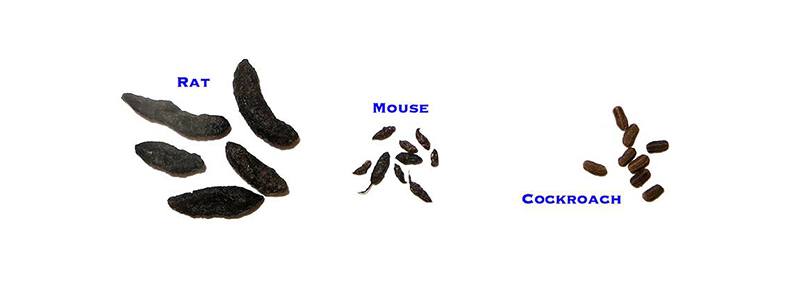
Rodent droppings are often the earliest and most obvious sign of an infestation. Knowing what you’re looking at can help you determine whether you’re dealing with mice, rats, or another type of pest altogether. Here are the differences in rodent droppings:
Mouse Droppings
Mouse droppings are:
Small (about 1/8–1/4 inch long)
Dark brown or black
Shaped like a grain of rice, with pointed ends
You’ll typically find mouse droppings in kitchen cabinets, drawers, pantries, under sinks, and along baseboards. Fresh droppings are shiny and soft, while older droppings become dry and crumbly.
If you’re seeing many small droppings scattered throughout your home, a rodent exterminator can confirm whether you’re dealing with an active mouse infestation and how extensive it is.
Rat Droppings
Rat droppings are noticeably larger than mouse droppings and vary slightly by species:
Roof rat droppings: About 1/2 inch long, spindle-shaped with pointed ends
Norway rat droppings: Slightly larger, blunt ends, capsule-shaped
Rats tend to leave droppings in garages, attics, crawl spaces, storage rooms, and along walls where they travel regularly. Because rats are larger, their droppings are usually found in clusters rather than scattered randomly.
If you see large droppings, gnaw marks, or greasy rub marks along walls, it’s time to call a rodent exterminator immediately—rats can cause significant damage very quickly.
Rodent Droppings vs. Other Pest Droppings
Not all droppings mean rodents. Arizona is home to a variety of pests, and misidentifying droppings can delay proper treatment.
Cockroach Droppings
Cockroach droppings are often confused with mouse droppings, but have key differences:
Much smaller (pepper-like or coffee ground size)
Cylindrical with ridges
Often found near appliances, cabinets, and cracks
Large roaches may leave droppings that resemble mouse droppings, but they are usually more uniform and lack the pointed ends seen with rodents.
Lizard Droppings
Lizard droppings are common in Arizona and easy to identify:
Dark pellet with a white or chalky tip
Found near doors, windows, patios, and garages
The white portion is uric acid, which rodents do not produce. If you see this white cap, you’re not dealing with a rodent—but a rodent exterminator can still help confirm if rodents are also present.
Bat Droppings (Guano)
Bat droppings look similar to mouse droppings but differ in texture:
Crumbly when crushed
Often found in piles beneath roosting areas
May contain insect fragments
Bat issues require specialized handling, so proper identification is critical before treatment.
Why DIY Rodent Control Often Fails
Many homeowners try traps or store-bought products first, only to find the problem keeps coming back. That’s because effective rodent control requires more than removing a few rodents.
A professional rodent exterminator focuses on:
Identifying entry points
Determining species and activity level
Eliminating rodents safely
Preventing future infestations through exclusion and monitoring
Without addressing how rodents are getting inside, even the best traps won’t solve the problem long-term.
What a Professional Rodent Exterminator Does Differently
Detailed Inspection
We inspect:
Attics, garages, crawl spaces, and rooflines
Exterior walls, vents, utility lines, and gaps
Signs of droppings, nesting, and chewing
This allows us to identify not just where rodents are active, but why they’re there.
Targeted Rodent Control
Control methods depend on the type of rodent and the severity of the infestation. Our approach is tailored to your home and focuses on effective, responsible solutions that eliminate rodents without unnecessary risk.
Rodent Exclusion & Prevention
The most important step in rodent control is keeping rodents out permanently. A professional rodent exterminator will:
Seal entry points
Recommend habitat modifications
Reduce food and water sources
Implement ongoing monitoring
This prevention-first approach is what separates temporary fixes from long-term solutions.
Health Risks Associated with Rodents
Rodents aren’t just destructive. They’re dangerous. Rodent droppings and urine can carry bacteria and pathogens that contaminate surfaces and air quality. Improper cleanup can actually increase health risks.
A trained rodent exterminator knows how to safely address infestations while minimizing exposure to harmful contaminants.
When to Call a Rodent Exterminator
You should contact a rodent exterminator if you notice:
Droppings in your home or garage
Scratching or scurrying sounds at night
Chewed wires, insulation, or food packaging
Strong, musky odors
Nests made of shredded paper or fabric
The sooner you act, the easier and less expensive it will be to resolve the problem.
Trust Urban Desert Pest Control for Rodent Extermination
Rodents are persistent, intelligent, and destructive, but with the right rodent exterminator on your side, they don’t stand a chance. Urban Desert Pest Control combines local expertise, detailed inspections, and proven prevention strategies to protect your home from rodents year-round.
If you’ve found droppings and aren’t sure what they belong to, or if you suspect rodent activity anywhere on your property, don’t wait. Contact Urban Desert Pest Control today and let a professional rodent exterminator help you reclaim your home with confidence.