
If you own a home in Arizona, scheduling a yearly termite inspection is one of the most important steps you can take to protect your property, even if everything appears perfectly fine. Termites are silent, destructive, and extremely common in the desert Southwest. Many homeowners assume that if they do not see termites, wings, or visible damage, there is no problem. Unfortunately, this assumption often leads to costly repairs that could have been prevented with routine inspections.
At Urban Desert Pest Control, we regularly inspect homes that show no outward signs of termites, only to discover activity hidden behind walls, beneath flooring, or under concrete slabs. Understanding why annual inspections are critical begins with understanding how termites behave and why they are so difficult to detect.
Termites Thrive in Arizona Conditions
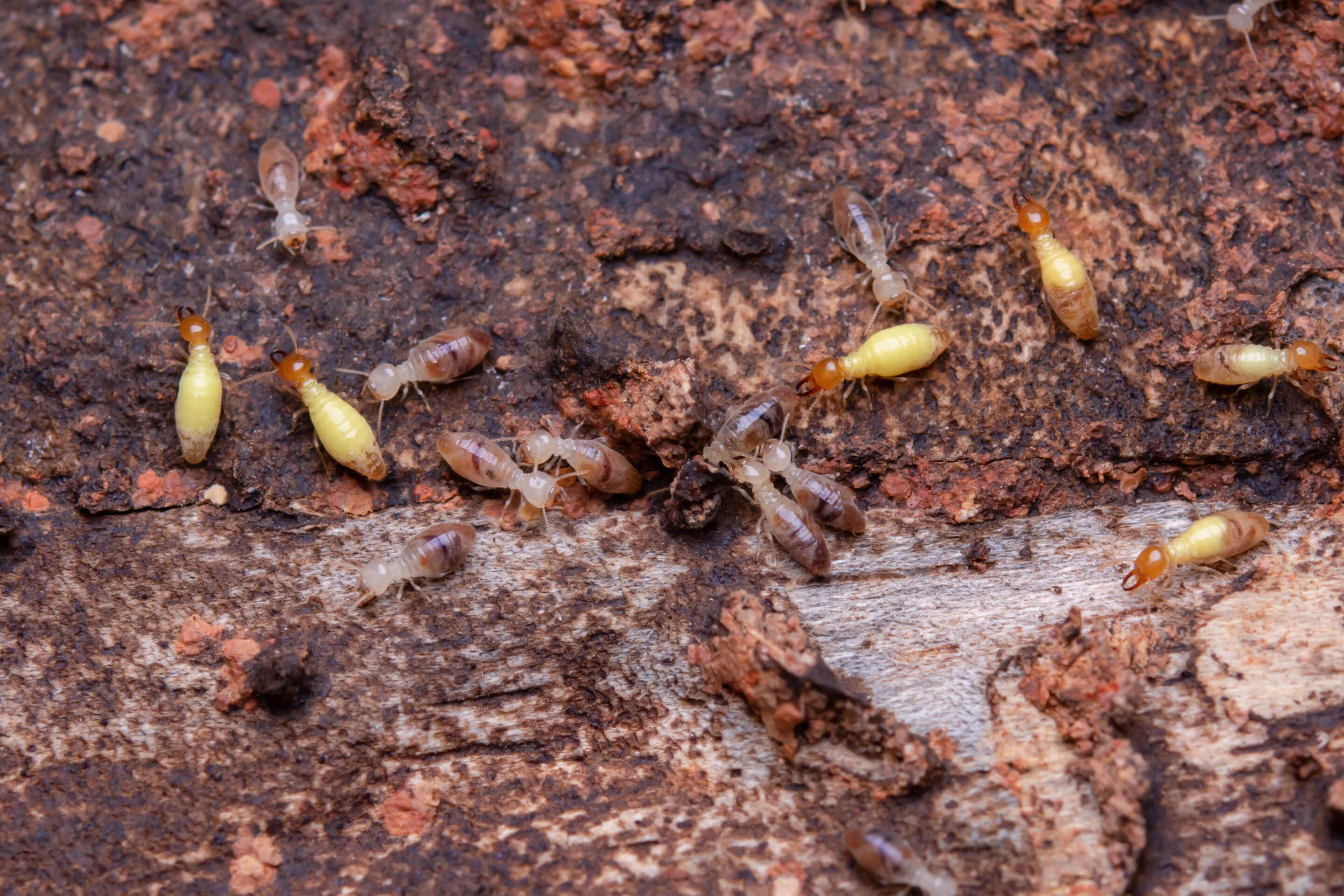
Arizona is a high risk environment for termites, particularly subterranean termites. These termites live underground and rely on moisture and soil contact to survive. They enter homes through tiny cracks in foundations, expansion joints, plumbing penetrations, and areas where wood meets soil.
What makes them especially dangerous is that they remain hidden for most of their life cycle. They feed on wood from the inside out, which means structural damage can be extensive long before anything looks wrong on the surface. By the time homeowners notice warped wood, hollow sounding beams, or visible mud tubes, the infestation is often well established.
A professional termite inspection is designed to catch activity during these early hidden stages, before structural damage becomes severe.
No Visible Evidence Does Not Mean No Termites
One of the most common reasons homeowners skip a termite inspection is the belief that they would notice termites if they were present. In reality, termites are rarely visible. They avoid light and open air, and they work inside walls, attics, crawl spaces, and foundations.
Many infestations show no visible signs for months or even years. Termite swarmers, which are winged termites, appear briefly and seasonally. If you miss that short window, you may never see them at all. Mud tubes may be hidden behind landscaping, inside wall voids, or under concrete where homeowners never look.
This is why an annual termite inspection is so important. It is not based on what you can see, but on what trained professionals know how to find.
Why Excess Rain in Arizona Increases Termite Risk
This year, Arizona experienced significantly higher rainfall than normal. While rain is welcome in the desert, it also creates ideal conditions for termite activity. Subterranean termites are drawn to moisture, and excess rain saturates soil around foundations, making it easier for termites to survive and expand their colonies.
Increased moisture can also expose new entry points as soil shifts and settles. Small foundation cracks, expansion joints, and plumbing penetrations become more accessible to termites when soil conditions change. Homes that may not have had termite pressure in previous dry years can suddenly become vulnerable.
After seasons with above-average rainfall, termite activity often increases across the region. This makes annual termite inspections even more critical following wet monsoon seasons or unusually rainy winters.
What Happens During a Professional Termite Inspection
A professional termite inspection is far more thorough than a basic visual check. Licensed inspectors are trained to recognize subtle signs of activity that homeowners often miss.
During an inspection, a technician will carefully examine the exterior and interior of the home, including the foundation, garage, attic, crawl spaces, and any areas where wood and soil come into contact. They look for moisture conditions, wood damage, shelter tubes, and other indicators of termite activity.
Inspectors also evaluate conditions that increase risk, such as irrigation patterns, drainage issues, and landscaping that may be directing moisture toward the structure. Even when no termites are found, this information is valuable for prevention planning.
Prevention Is the Goal of Annual Inspections
Annual termite inspections are not just about finding active infestations. They are about prevention. Catching termite activity early allows for more targeted and less invasive solutions. It also helps homeowners avoid the stress and expense associated with advanced structural damage.
Regular inspections create a documented history of your home’s condition. This record is useful for homeowners, buyers, and sellers, and it helps ensure that changes are detected early rather than after damage has progressed.
Understanding Bait Systems Versus Soil Treatments
When termites are detected or when preventative measures are recommended, homeowners are often presented with different treatment options. Two of the most common approaches are bait systems and soil treatments. Understanding the difference helps homeowners make informed decisions.
Bait systems work by placing monitoring and bait stations around the perimeter of the home. These stations are designed to intercept termites as they forage. When termites find the bait, they carry it back to the colony, which helps reduce and control the population over time. Bait systems are monitored regularly and are often used as a long term management and prevention strategy.
Soil treatments involve applying a protective barrier in the soil around and sometimes beneath the home. This creates a zone of protection that helps prevent termites from entering the structure. Soil treatments are often used when there is confirmed activity or when a more immediate protective measure is needed.
The right solution depends on several factors, including the type of termite, the level of activity, the structure of the home, and environmental conditions. This is another reason why a professional termite inspection is essential. Proper identification and assessment guide the most effective approach.
Termite Damage Is Costly and Often Not Covered
One of the most important reasons to schedule an annual termite inspection is the financial risk of unchecked damage. Termite damage is typically not covered by homeowners insurance. Repairs often involve removing drywall, replacing framing, repairing flooring, and addressing structural components that are difficult and expensive to access.
These repairs can quickly reach thousands or even tens of thousands of dollars. In comparison, the cost of an annual inspection is minimal and provides significant protection for your investment.
New Homes Are Still at Risk
Many homeowners believe that new construction homes are immune to termites. This is not true. Termites do not care how old a home is. In fact, new construction can sometimes increase termite risk because soil disturbance during building can attract colonies.
Even homes that were pre-treated during construction still require regular inspections. Over time, conditions change, soil shifts, and protective measures may be compromised. Annual termite inspections ensure continued protection regardless of a home’s age.
DIY Checks Are Not Enough
While homeowners can look for obvious warning signs, do-it-yourself checks are not a substitute for professional inspections. Termite detection requires training, experience, and knowledge of building construction and regional termite behavior.
Professionals know where termites are most likely to enter, how moisture patterns affect activity, and how to spot early signs that are invisible to untrained eyes. Relying on occasional visual checks often leads to missed infestations.
Peace of Mind Comes From Being Proactive
Even when no termites are found, an annual termite inspection provides peace of mind. Homeowners know their property has been evaluated by a trained professional and that potential risks have been identified early.
This proactive approach allows homeowners to address conditions that attract termites and maintain long-term protection for their home.
Schedule Your Annual Termite Inspection
In Arizona, termites are a year-round concern, especially following periods of excess rainfall. Waiting until you see visible signs often means waiting too long.
An annual termite inspection helps detect activity early, reduces repair costs, and protects the value of your home. If it has been more than a year since your last inspection, or if you have never had one, now is the right time.
Protect your home with a professional termite inspection from Urban Desert Pest Control and stay ahead of termites before they become a costly problem.